INR – Indian Rupee
 EUR – Euro
 NZD – New Zealand Dollar
 PKR – Pakistani Rupee
 PHP – Philippine Peso
 BDT – Bangladeshi Taka
 LKR – Sri Lankan Rupee
 NPR – Nepalese Rupee
 MMK – Myanmar Kyat
Sublimation shirt designs that sell best are full-colour artwork with gradients, photo-style and watercolour prints, vivid animal and nature art, sports and team designs, event and school shirts, and all-over patterns. They work on white or light polyester only, so designs that use the shirt's white as part of the art perform best.
Sublimation is a different game from DTF or screen printing. It can't print white, it can't print on dark shirts, and it barely works on cotton. In exchange, it prints soft, breathable, wash-proof colour with smooth gradients that other methods struggle to match.
That means the designs that sell with sublimation aren't the same ones that sell on black DTF tees. Here's what does well on polyester, and why.
What kind of designs work best for sublimation?
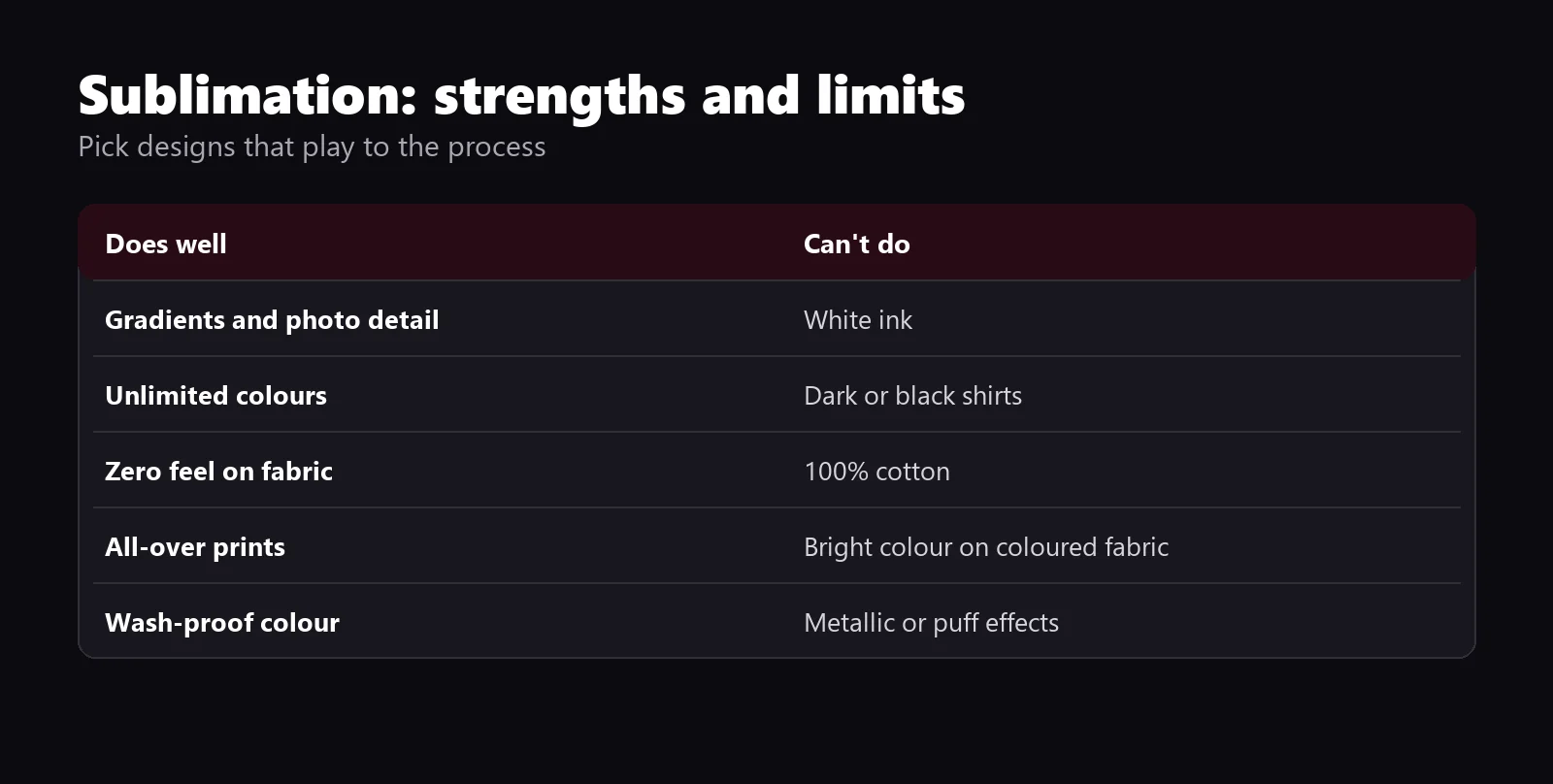
Designs with lots of colour, smooth gradients, fine detail and photographic or painterly textures work best for sublimation. Because the dye becomes part of the polyester fibres, these prints feel like nothing on the fabric and never crack, which makes sublimation ideal for detailed, colourful artwork on light shirts.
| Sublimation does well | Sublimation can't do |
|---|---|
| Smooth gradients and photo detail | White ink |
| Unlimited colours at no extra cost | Dark or black shirts |
| Prints with zero feel on the fabric | 100% cotton (fades badly) |
| Edge-to-edge and all-over prints | Bright colours on coloured fabric |
| Wash-proof, crack-proof colour | Metallic or puff effects |
Which sublimation shirt designs sell best?
The bestselling sublimation shirt designs are sports and team jerseys, event and school shirts, vivid animal and nature art, watercolour and floral designs, photo memorial and personalised shirts, and all-over patterns. They suit polyester's sporty, breathable feel and the bright colour sublimation produces.
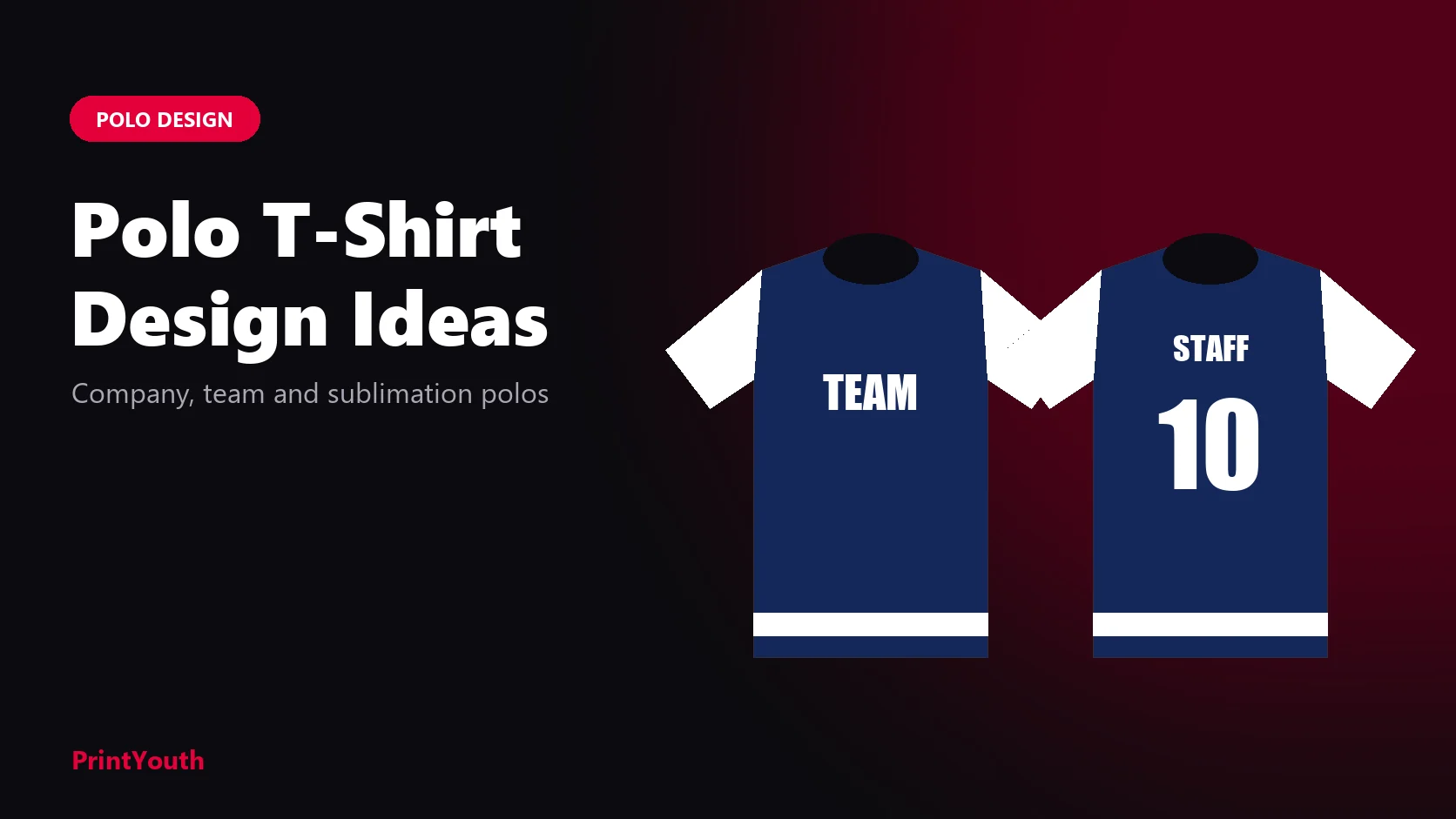
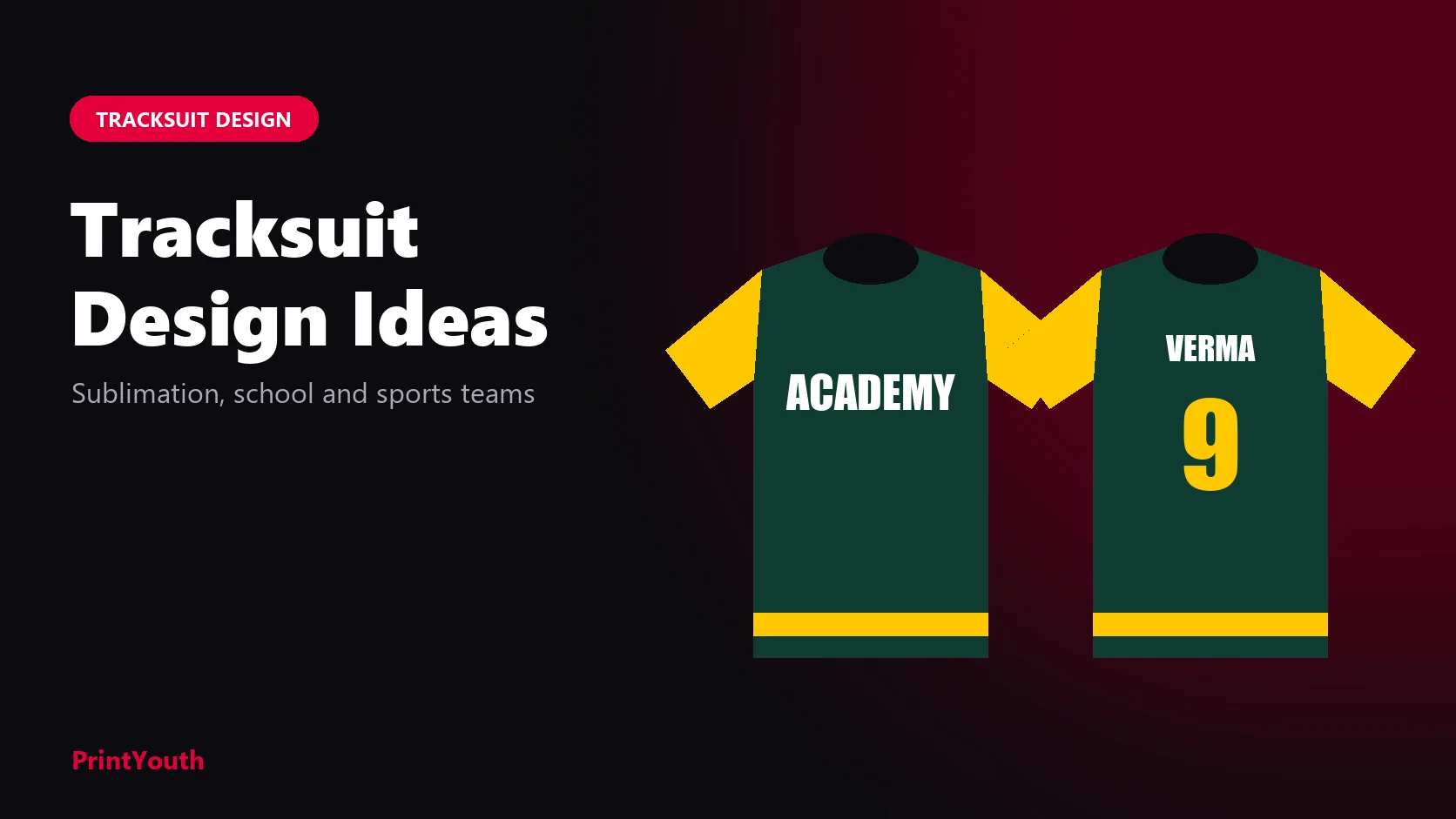
- Sports and team jerseys: cricket, football and kabaddi kits in polyester, with names and numbers.
- Event and school shirts: marathons, fests, annual days, corporate events.
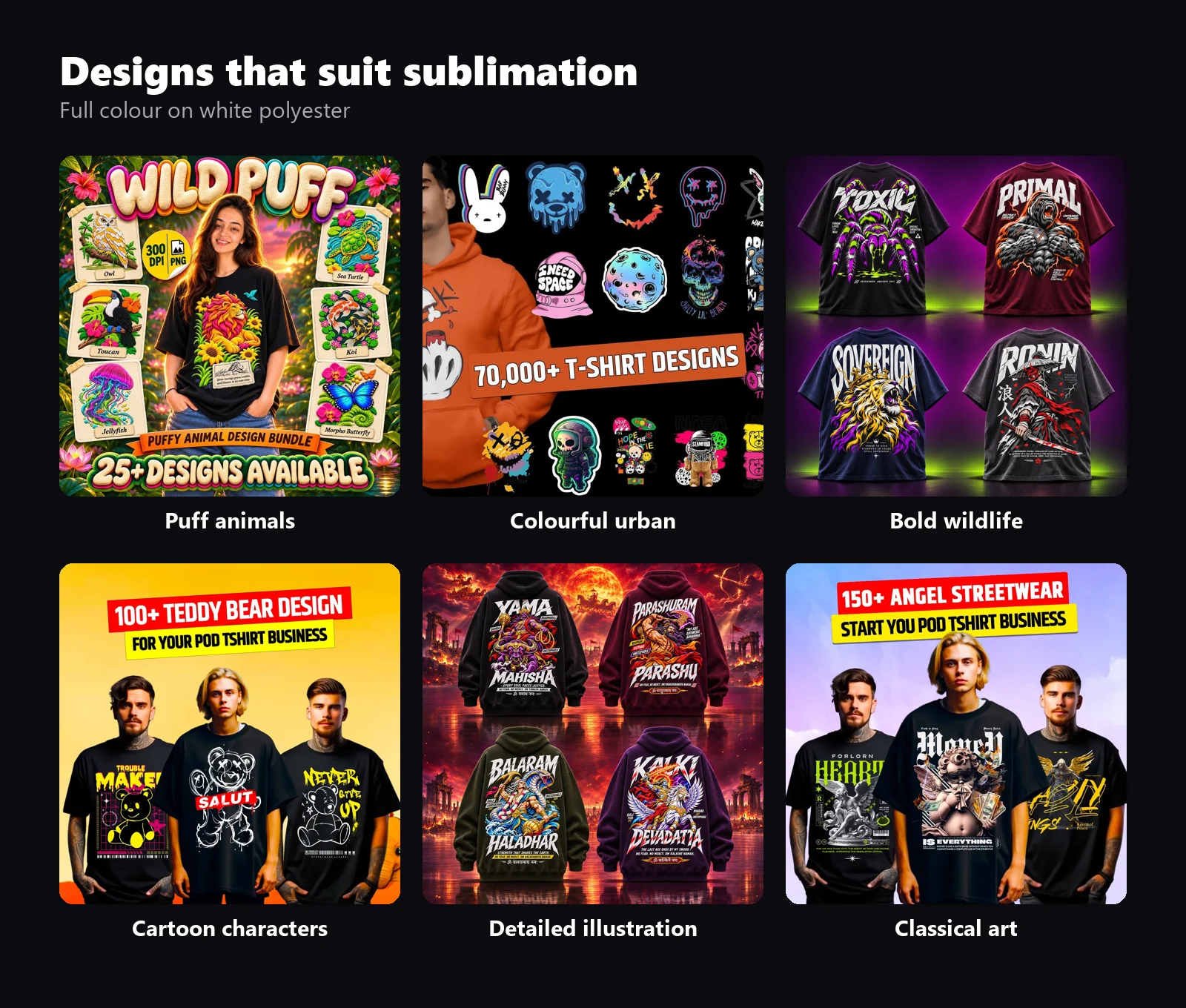
- Animal and nature art: full-colour wildlife and puff-style animals look spectacular.
- Watercolour and florals: soft gradients that other methods can't match.
- Personalised photo shirts: birthdays, anniversaries and memorials.
- All-over patterns: tie-dye effects, camo, abstract and tropical prints.
How do you choose designs that suit sublimation?
Choose designs that look good on a white base, use colour rather than white for highlights, avoid large areas that rely on white ink, and have enough resolution for smooth gradients. Full-colour illustrations with a white or light background built in usually transfer perfectly.
A quick test: imagine the design printed on paper with no white ink. Anything white becomes the shirt colour. If the design still works, it suits sublimation. If it depends on white text or white outlines on a coloured shirt, it doesn't.
Which polyester shirts are best for sublimation?
The best shirts for sublimation are white or very light, 100% polyester or polyester-rich (at least about 65% polyester), with a smooth, tight knit. Dry-fit sports shirts and "cotton-feel" polyester tees both work; the higher the polyester content, the brighter and more durable the print.
In India, plain white dry-fit polyester tees are widely available from wholesale suppliers and are the standard blank for sublimation sports jerseys and event shirts. For softer fashion tees, look for "cotton-feel" or "poly-cotton look" polyester blanks. Our sublimation size and colour guide covers pressing.
Where do sublimation sellers find designs?
Sublimation sellers use full-colour PNG designs from licensed packs, custom artwork for teams and events, and seamless patterns for all-over prints. Any transparent or white-background PNG at 300 DPI works, as long as the licence allows selling printed products.
Many full-colour illustration packs suit sublimation well even if they weren't made specifically for it. Animal, nature and pop-art packs are good examples. Check how each design looks on white, then print a test before a run.
How should you price sublimation shirts?
Price sublimation shirts on the polyester blank, paper, ink and pressing time, plus design and profit. Team and event orders are usually priced per shirt with a quantity discount, while personalised and photo shirts can carry a premium because each one is unique.
Sublimation's big business advantage is that a 100-shirt team order costs almost the same per shirt as a 10-shirt order, with no screens or setup. That makes it competitive for the mid-size orders that screen printers find awkward.
Frequently asked questions
What designs are good for sublimation shirts?
Full-colour designs with gradients and detail: sports jerseys, event shirts, animal and nature art, watercolour florals, photo shirts and all-over patterns.
Can sublimation designs have white in them?
White areas aren't printed; they show the shirt colour. On a white shirt that's fine. On coloured shirts, white parts of the design will appear in the shirt's colour.
Can you sublimate on black polyester?
Not directly. Sublimation ink is translucent and won't show on dark fabric. Use DTF or a sublimation-ready white layer product instead.
What polyester percentage is needed for sublimation?
Ideally 100% polyester; at least about 65% for acceptable results. Lower polyester content gives a faded, vintage look and washes out faster.
Are sublimation shirts good for sports teams?
Yes. Sublimated polyester jerseys are light, breathable and crack-proof, and the price per shirt stays low even for mid-size team orders.
Do I need special designs for sublimation?
Not special, but suited to the process: full-colour, high-resolution designs that work on white, without relying on white ink.
The short version
Play to sublimation's strengths: full colour, gradients, photo detail and all-over prints on white polyester. Sell to teams, events and personalised orders, and avoid designs that rely on white ink or dark shirts.
Full-colour designs that suit sublimation: the Wild Puff animal pack; more sublimation-specific designs are coming to the All-Over Sublimation section.
Last updated: 22 November 2026.